The political landscape in Georgia has undergone a significant transformation following the 2026 midterm elections. Democrats successfully swept the state top elected offices, marking a historic shift in power. Keisha Lance Bottoms, the governor elect, has already begun the process of assembling her transition team, signaling a pivot in state leadership that has not been seen in Georgia since before the 2000 election. This change in administration is expected to have immediate implications for the state policy priorities, particularly regarding industrial development and environmental oversight.
The Growing Scrutiny of Technological Expansion
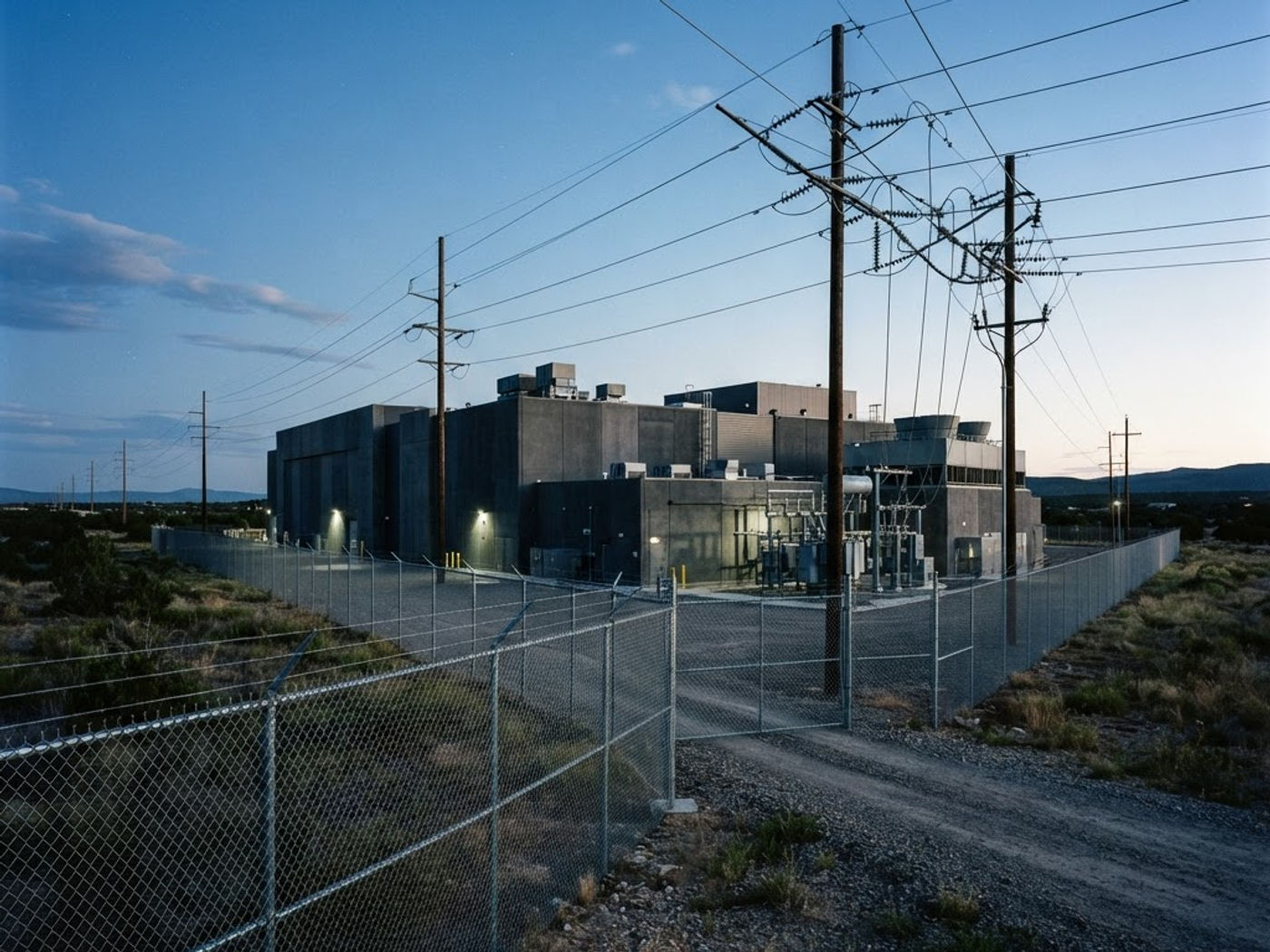
One of the most consequential developments emerging from this election cycle is the growing political scrutiny surrounding the artificial intelligence data center industry. The rapid expansion of these facilities has become a flashpoint for voters concerned about the strain on local electricity grids and water resources. While data centers were not the primary driver of the election, they became a focal point of the broader affordability debate. Candidates who campaigned on stricter regulatory frameworks for these facilities found success in Georgia, as well as in other key states including Texas, Ohio, Nevada, and Iowa.
Voter Sentiment and the Public Mandate
Data from the Associated Press indicates that public skepticism toward large scale data center development is widespread, crossing traditional partisan lines. An AP Voter Poll revealed that approximately three quarters of U.S. voters expressed opposition to the construction of new data centers within their communities. This sentiment was reflected in the success of candidates who pledged to implement moratoriums or more rigorous oversight of the server warehouses. The industry is already responding to this shifting political climate, with major technology firms beginning to announce self funded power solutions and more efficient cooling technologies to mitigate public concerns.
A National Trend Toward Shifted Leadership
Nationally, the Democratic party performance in the midterms has been characterized by significant gains in both congressional and gubernatorial races. As noted by the National Conference of State Legislatures, Democrats now hold more governorships than Republicans for the first time since before 2010. This shift has broken long standing Republican trifectas in several states, including Georgia and Iowa. The results suggest a broader trend of voters seeking new approaches to infrastructure and economic development, with the balance of power in statehouses across the country moving toward a more divided or Democratic leaning landscape.
Balancing Growth and Local Interests
As Governor elect Bottoms prepares to take office, she faces the complex task of bridging the divide between the rapidly growing metro Atlanta area and the state rural regions. The incoming administration approach to the data center industry will serve as an early test of its ability to balance economic growth with the environmental and utility concerns raised by constituents. With the industry already facing project delays and cancellations nationwide, the regulatory environment in Georgia is poised to become a bellwether for how states manage the intersection of technological advancement and local community interests in the coming years.
Leave a Reply