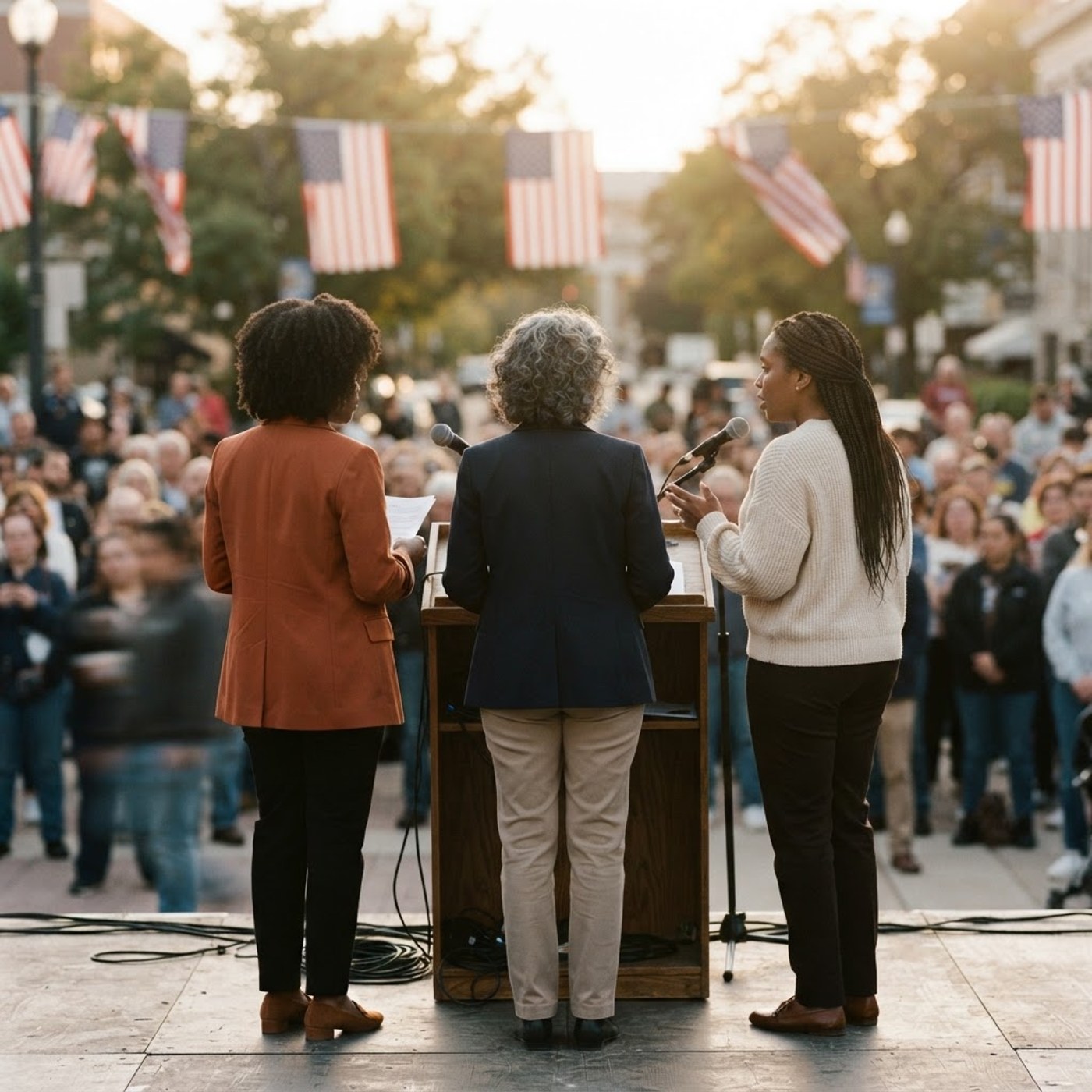
A Legacy of Firsts
For most of the twentieth century, the American governorship stood as the least accessible executive office in the country. With fifty states and fifty opportunities every four years, the results remained remarkably consistent for a hundred years after Reconstruction. However, history is not static, and the persistent efforts of pioneers have fundamentally redrawn our nation’s executive map.
Breaking the Pattern
L. Douglas Wilder shattered existing glass ceilings in 1989 when he won the governorship of Virginia by a margin so slim it required a recount. His victory made him the first Black American elected governor of a state. This historic milestone stood alone for seventeen years until Deval Patrick achieved the same in Massachusetts in 2006, followed by Wes Moore in Maryland in 2022.
The Hispanic Leadership Trajectory
The Hispanic first is a narrative that is both older and less recognized. Ezequiel Cabeza De Baca was elected governor of New Mexico in 1916 and took office in 1917, marking the first time a Hispanic governor was elected in the continental United States. He was followed by Octaviano Larrazolo in 1918. It took nearly a century for the rest of the nation to align with this precedent. Susana Martinez became the first Latina elected governor in 2010, with Michelle Lujan Grisham assuming the mantle a decade later in New Mexico.
Expanding the Horizon
The story of Indian American leadership is a newer chapter. Bobby Jindal was elected in Louisiana in 2007, becoming the first Indian American governor in history. Nikki Haley followed in South Carolina in 2010. As children of immigrants governing in the South, both leaders demonstrated that executive power is not reserved for the descendants of earlier arrivals.
The Normalization of Diversity
When we place these names side by side, a clear pattern emerges. The temporal gaps between these significant firsts have collapsed. It took eighty years to move from the first Reconstruction era governor to Wilder. Yet, it took only two decades to progress to a country where Black, Hispanic, and Indian American governors serve concurrently. States that had never seated a Black woman as governor have now done so, while others have elected their first Hispanic and Asian American statewide officials. This progress has been steady and profound, arriving in enough places to move beyond the status of a remarkable anomaly.
The Path Forward
We are witnessing a transformative period in American governance. A milestone becomes a foundational fact not when it is merely celebrated as an exception, but when it is fully expected as the norm. By embracing this evolution, we are building a more inclusive future where leadership reflects the vibrant diversity of the people it serves.
Leave a Reply