Cambridge museum celebrates history of women in computing
Getty Images
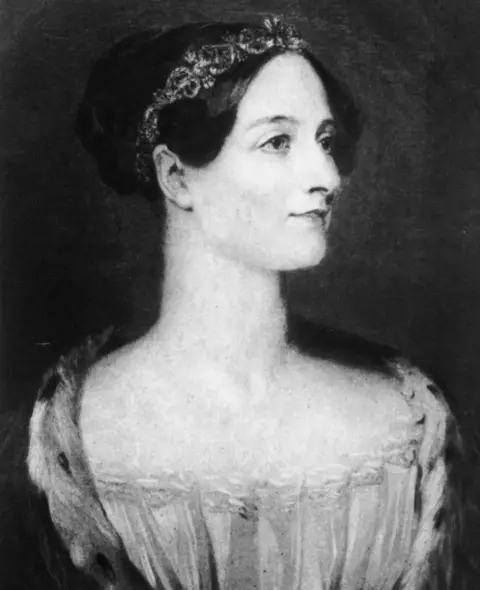
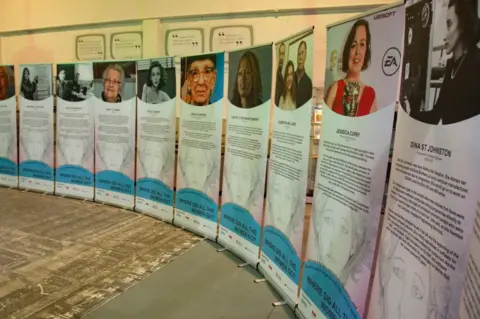
The exhibition at Cambridge’s Centre for Computing History includes women from the earliest days of computing and includes events devoted to Victorian computing pioneer Ada Lovelace. She was an English mathematician and writer, chiefly known for her work on Charles Babbage’s proposed mechanical general-purpose computer, the Analytical Engine.
Centre for Computing History
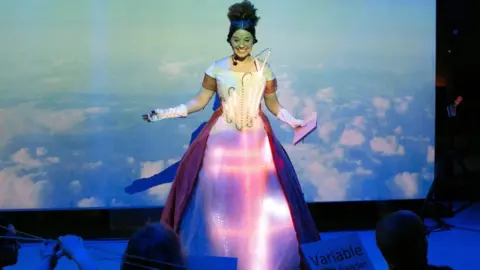
As part of the exhibition Zoe Philpott will be appearing in her award-winning show Ada.Ada.Ada. Ada Lovelace was the first to recognise that the Babbage machine had applications beyond pure calculation, and created the first algorithm intended to be carried out by such a machine.
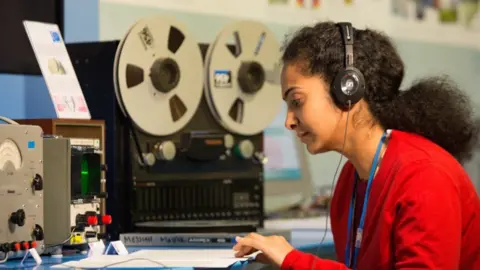
Part of the exhibition is also devoted to Delia Derbyshire, the Coventry-musician who created the most famous piece of music to emerge from the BBC Radiophonic Workshop – the Doctor Who theme in the 1960s. She did it by taking a simple score by Ron Grainer and transforming it into the uncanny, iconic masterpiece we know, using her very own methods.
Centre for Computing History
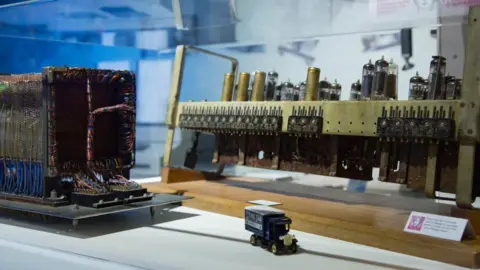
The Lyons Electronic Office (LEO) grew out of a partnership between catering firm J Lyons & Co and the developers of Cambridge Electronic Delay Storage Automatic Calculator (EDSAC) and was originally built in the Cambridge University Mathematical Laboratory to handle the payroll. Mary Coombs was the first woman to work on the LEO, running payroll for Lyons itself, and thereby becoming the first woman to work on a commercial computer. Part of the original computer is in the exhibition.
Centre for Computing History
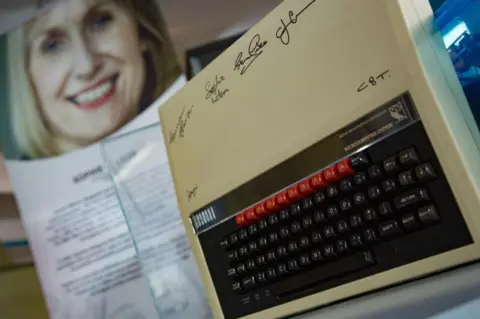
The exhibition also features Sophie Wilson, who was originally from Leeds and studied computer science at Cambridge. She designed the Acorn Micros-Computer which allowed the firm to win the contract with the BBC for a computer education project in the 1980s.
Centre for Computing History
Anjali Das, head of learning at the centre, said: “The aim of the exhibition is to showcase the amazing women who have contributed so much to the history of computing. Many of their stories have been hidden.”
Centre for Computing History
Computing History: Where did all the woman go? at the Centre for Computing History in Rene Court, Coldhams Road, Cambridge, until 27 October.
 Getty Images
 Centre for Computing History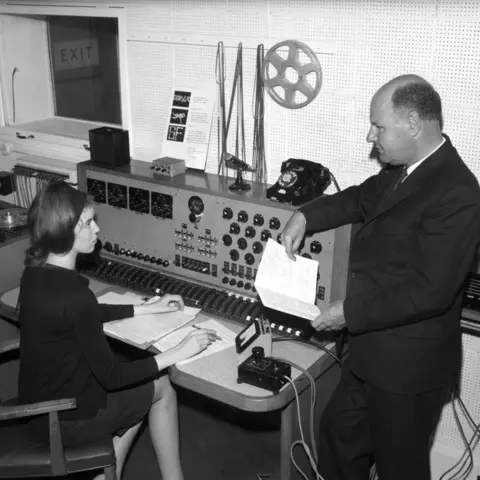
 Centre for Computing History
 Centre for Computing History
 Centre for Computing History
 Centre for Computing History