When people think of the suffragettes, they likely think of marches and protests with banners, large gatherings with leaders of the movement delivering speeches to rousing crowds, or women tying themselves to railings and refusing to move.
And until around 1909, that is what the suffragettes did.
But change was coming to the movement. The Women’s Social and Political Union (WSPU) began in 1903, led by Emmeline Pankhurst. Its motto was “deeds not words” and quickly it found, having exhausted other routes, that violence was most persuasive.
Between 1912-1914 the suffragettes were the largest threat to domestic peace in the country, with cells across the country.
They carried out hundreds of attacks aimed at causing as much destruction and disruption as possible to everyday life.
Pankhurst said the WSPU’s aim was “to make England and every department of English life insecure and unsafe” by creating a “reign of terror”.
By the end of 1912, 240 people had been sent to prison for militant suffragette activities.
Direct action took the form of bombing MPs’ houses, placing explosives in post boxes and carrying out arson attacks on public places, such as trains and churches.
Targets were carefully selected based on their significance to British life, so it is no coincidence that some of the suffragettes’ favoured marks were also sporting venues.
“Sport is a huge part of English cultural life, if you’re going to target things to bring your cause to ordinary people, of course you’re going to target sport,” says Dr Riddell.
Golf and racecourses took the brunt of the attacks because they were frequently empty, largely unguarded and, along with other sports premises, were predominantly male-dominated arenas.
Golf club members often turned up for a morning round only to discover that intruders had spent the night hacking up turf, throwing acid around the greens and carving the letters VW or Votes for Women into the ground.
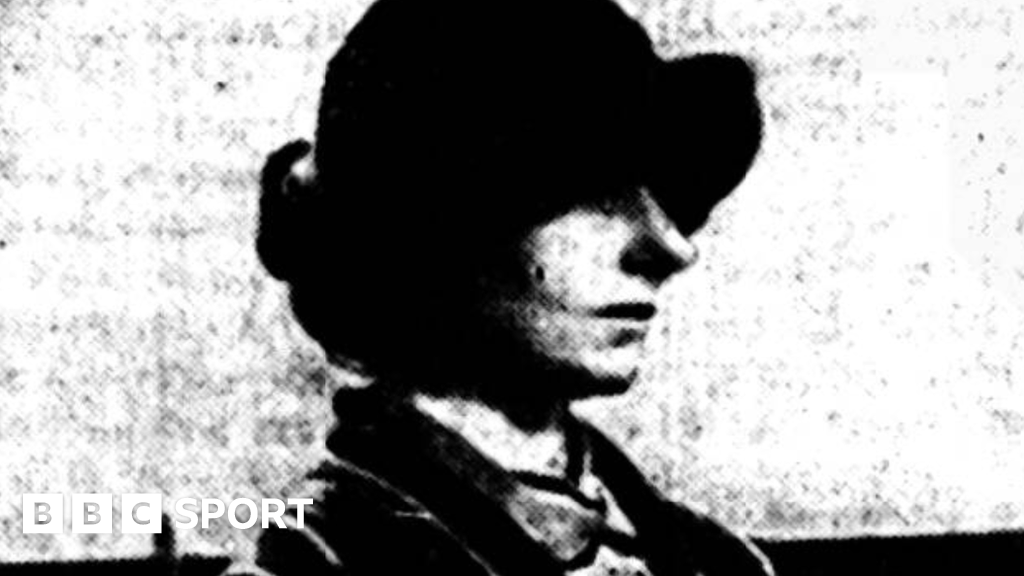
A fire at Ayr racecourse caused £2,000 of damage while Hurst Park racecourse was burned down by Marion, a prominent member of what became known as the ‘young hot bloods’ – a segment of the WSPU carrying out violent, direct action.
Grandstands were a popular target for arson attacks, they were large and the spectacle of one ablaze was certain to attract publicity.
A plot to burn down the Crystal Palace grandstand on the eve of the 1913 FA Cup final was foiled, but the grandstand of the Manor Ground football stadium in Plumstead – then home to Woolwich Arsenal – was attacked, causing £1,000 worth of damage.
Many of these incidents have been forgotten or lost in the annals of time, but one has remained a landmark moment with a tragic ending.
When Emily Davison stepped out in front of the King’s horse at the Epsom Derby in June 1913, it is thought she meant to emblazon the horse with a suffragette banner in order to make a statement and, undoubtedly, the next day’s front page.
Instead, Davison died after being injured by the charging horse.
Queen Mary, sat with the King in the grandstand at Epsom, described Davison as a “horrid woman” in her journal later that evening.
But Davison’s final action paved the way for progress.
Leave a Reply