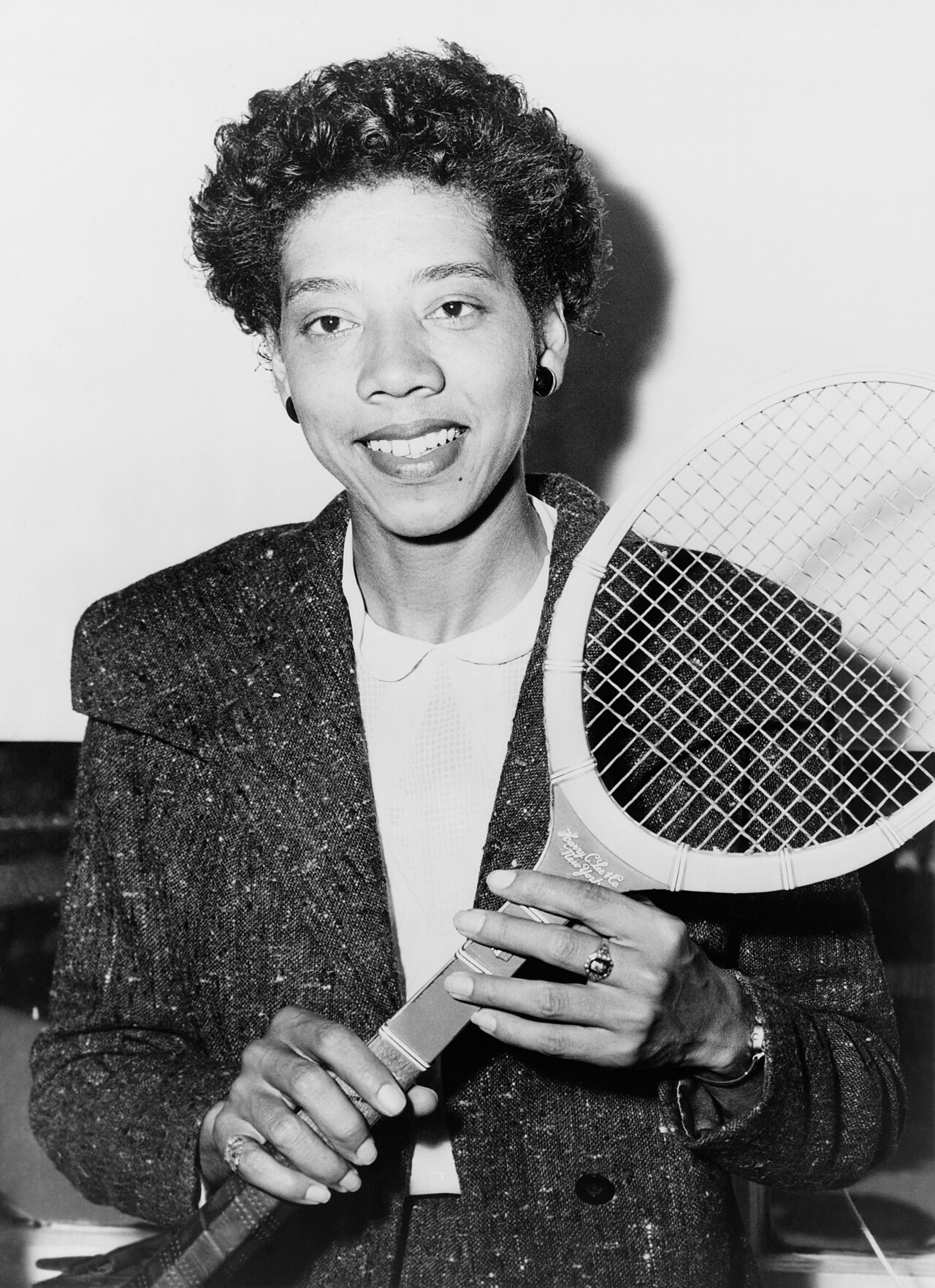
A Pioneering Step Onto The Grass
The year was 1950 and the atmosphere at the West Side Tennis Club in Forest Hills was thick with the weight of tradition. As Althea Gibson walked onto the court she moved with a quiet focus that betrayed none of the significance of the moment. She was the first Black athlete to play at the United States National Championships. The crowd watched a woman who did not belong there by their standards but who commanded the space with a natural ease. Her presence signaled a turning point that would irrevocably alter the landscape of tennis and set a new standard for excellence.
From Harlem To The World Stage
Born in 1927 in Clarendon County South Carolina Althea Gibson was raised in the vibrant streets of Harlem. Her path to prominence began within the American Tennis Association which served as the essential Black tennis circuit during an era of rigid segregation. It was there that her immense talent was nurtured by dedicated mentors including Dr. Hubert Eaton and the manager of boxing legend Sugar Ray Robinson. These figures recognized a singular brilliance in Gibson and provided the support structure she needed to refine her skills. She was not merely playing a game but preparing to dismantle the structural barriers that prevented Black athletes from accessing the global stage.
Breaking Barriers And Winning Titles
The year 1951 marked another milestone when she broke the color line at Wimbledon. Gibson possessed a potent serve and a competitive fire that propelled her past opponents who had never before faced such a formidable athlete. Her ascent was meteoric yet grounded in years of disciplined preparation. In 1956 she secured the French Championships marking her as the first Black athlete to win a Grand Slam singles title. This victory was merely a prelude to her dominance. In 1957 she achieved the historic feat of winning both Wimbledon and the United States National Championships. She repeated these dual victories in 1958 securing her status as a global sports icon. The city of New York honored her monumental success with a ticker tape parade a rare and fitting recognition for a woman who carried the hopes and expectations of an entire community on her shoulders. The pressure of being the first to cross these thresholds was immense yet she navigated the scrutiny with a characteristic blend of professionalism and resilience.
An Enduring Legacy Of Versatility
After cementing her status as a tennis legend Gibson transitioned to a new challenge by becoming the first Black woman to join the Ladies Professional Golf Association tour. Her ability to master a second sport at such a high level demonstrated her profound athletic versatility and her refusal to be constrained by expectations. Throughout her life Gibson remained a symbol of hope and courage for women everywhere. She passed away in 2003 but her influence continues to resonate through the modern era of sports. As we look ahead we see her spirit in every athlete who refuses to accept limits and who pursues excellence with unwavering conviction. Her story is a testament to the fact that when one person opens a door the entire world gains access to new heights of human achievement.
Leave a Reply