From the Cotton Fields to the Center Stage
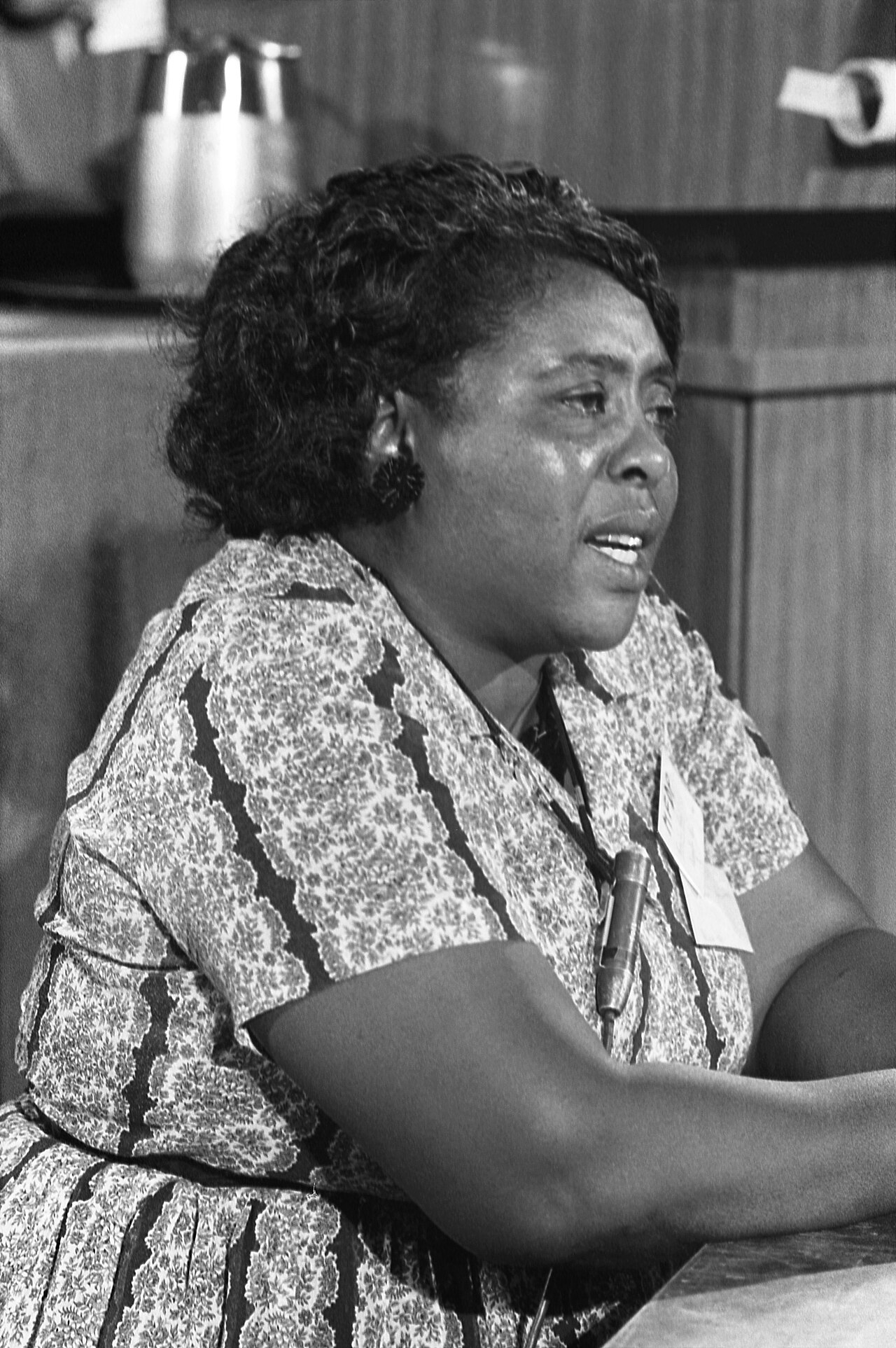
The heat of the Mississippi sun bore down on the endless rows of cotton near Ruleville where Fannie Lou Hamer spent her early years. Born in 1917 as the youngest of twenty children in Montgomery County, she grew up surrounded by the rhythmic labor of sharecropping. Her life was defined by the rigid structures of the Delta where economic survival was tethered to the whims of plantation owners. She worked the land with a tenacity that would later characterize her political activism. It was a world that demanded silence from those who lived in poverty yet Hamer possessed a voice that would eventually resonate across the entire nation.
The Moment of Choosing Courage
In 1962, a pivotal moment occurred when Hamer decided to attend a meeting at a local church. This simple act of community gathering led her to attempt the process of registering to vote. The consequences were immediate and severe. She was arrested and subsequently beaten in a calculated attempt to break her spirit. Instead of retreat, the incident forged a new path for her. She became a field secretary for the Student Nonviolent Coordinating Committee. Her decision to act despite the immense danger displayed a profound commitment to the principle that every citizen should have a voice in their own governance.
Building a Movement and a Legacy
Hamer helped establish the Mississippi Freedom Democratic Party as a direct challenge to the exclusionary practices of the existing political structure. The 1964 Democratic National Convention in Atlantic City became the setting for her most visible triumph. She testified before the credentials committee with a clarity that shocked the nation. She spoke plainly about the systemic intimidation faced by Black citizens who sought to exercise their constitutional right to vote. During this period, she articulated a sentiment that would define a generation of activists. She stated that she was sick and tired of being sick and tired. This declaration underscored her frustration with the slow pace of progress and her absolute refusal to accept the status quo. Her work extended beyond the ballot box to the practical needs of her community. She founded the Freedom Farm Cooperative to provide land and economic independence for displaced sharecroppers. She understood that political power was only one component of true liberation.
An Instruction for Future Leaders
The life of Fannie Lou Hamer serves as a foundational pillar for women in leadership today. She demonstrated that influence does not require titles or wealth but rather an unwavering dedication to the truth. She navigated spaces that were hostile to her existence yet she remained grounded in the needs of the people she served. Her legacy teaches modern leaders the importance of authentic advocacy. She showed that one person can shift the national conversation by speaking with honesty about their lived experience. As she passed away in 1977, her influence had already taken deep root. Women today continue to draw inspiration from her ability to balance bold political demands with practical grassroots solutions. Her life encourages every leader to consider how they might challenge systems that disenfranchise others. The path forward requires the same fortitude she displayed in the fields of Mississippi. Her memory reminds us that democracy is a process that requires constant vigilance and active participation. By looking toward the future, we honor her spirit by ensuring that the doors she forced open remain open for those who follow.
Leave a Reply