 Getty Images
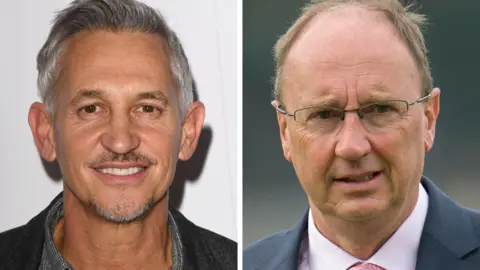
BBC Match of the Day presenter Gary Lineker is not shy when it comes to airing his political views on social media.
The cricket correspondent tweeted Lineker, saying that he should follow BBC editorial guidelines and keep his political views to himself.
Agnew, like Lineker, supported Remain in the EU referendum.
Allow Twitter content?
In response, Lineker said he was tweeting from a personal account and he would continue to say what he wanted.
Allow Twitter content?
The disagreement came after a string of political tweets from Lineker as the Conservative Party held a confidence vote in the prime minister’s leadership.
One included: “Extraordinary to watch us take our country back and rip it to shreds in the process.”
So what are BBC presenters not allowed to say?
As a publicly-funded broadcaster the BBC has its own guidelines, including rules on impartiality, which it says lie “at the heart of public service”.
The guidelines state that BBC staff and freelancers who work for BBC News and Current Affairs must not:
- State or reveal publicly how they vote or express support for any political party
- Express a view for or against any policy which is a matter of current party political debate
- Advocate any particular position on a matter of public policy, political or industrial controversy, or any other ‘controversial subject’
- Exhort a change in high-profile public policy
So these rules don’t apply to Lineker?
In a word, no, because he is a sport presenter.
Following this latest row, a BBC spokesperson said: “Gary is not involved in any news or political output for the BBC and as such, any expression of his personal political views does not affect the BBC’s impartiality.”
But Agnew, also a freelancer, said that this was not the case for him and he represented the BBC even though he also works for other companies.
He said: “If I tweet/broadcast about politics I’ll be disciplined. Please believe me. I’ve been in post nearly 30 years!”
Allow Twitter content?
Unlike Lineker, Agnew – as cricket correspondent – is a reporter as well as a commentator and presenter. The BBC declined to comment on Agnew’s remarks.
Are there any other recent cases?
The BBC took some female presenters off air for impartiality reasons earlier this year after they tweeted support for equal pay at the corporation.
It followed Carrie Gracie’s resignation as the BBC’s China editor, citing pay inequality with male international editors earning more than her.

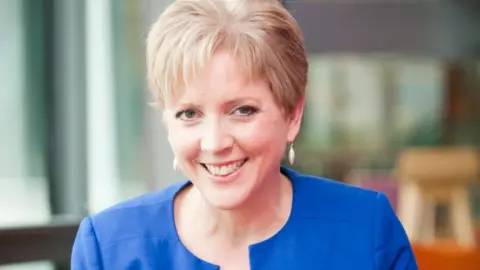
The BBC confirmed it had replaced Robinson due to impartiality issues.
BBC guidelines dictate that reporters should not be “exposed to conflicts of interest”, and there must be “editorial separation” of those reporting the story.
He deleted the post and retweeted a statement from the BBC press office which said he “recognises it was inappropriate”, although he didn’t make an apology.